
Restoring grasslands through grazing
Rough or ‘unimproved’ grasslands can sometimes be restored to species-rich hay meadow through simple changes in management. Wildflower seeds are often still present in the seed bank of degraded meadows and it’s surprising what can appear when the right management and grazing techniques are reintroduced.
Restoring grassland with livestock is often easier and more cost effective than buying expensive seed mixes.
Do you have unimproved grassland?
It's usually easy to tell whether or not you have an unimproved grassland, as the sward will feature a mix of different grass types and textures and perhaps even a few wildflowers.
Unimproved grasslands are also unlikely to have been cultivated or had chemical fertiliser application for many years.
In contrast, an ‘improved’ grassland will be uniform and bright green, with only a couple of agricultural species such as perennial ryegrass or white clover.
YEAR 1
Remove livestock in spring/summer
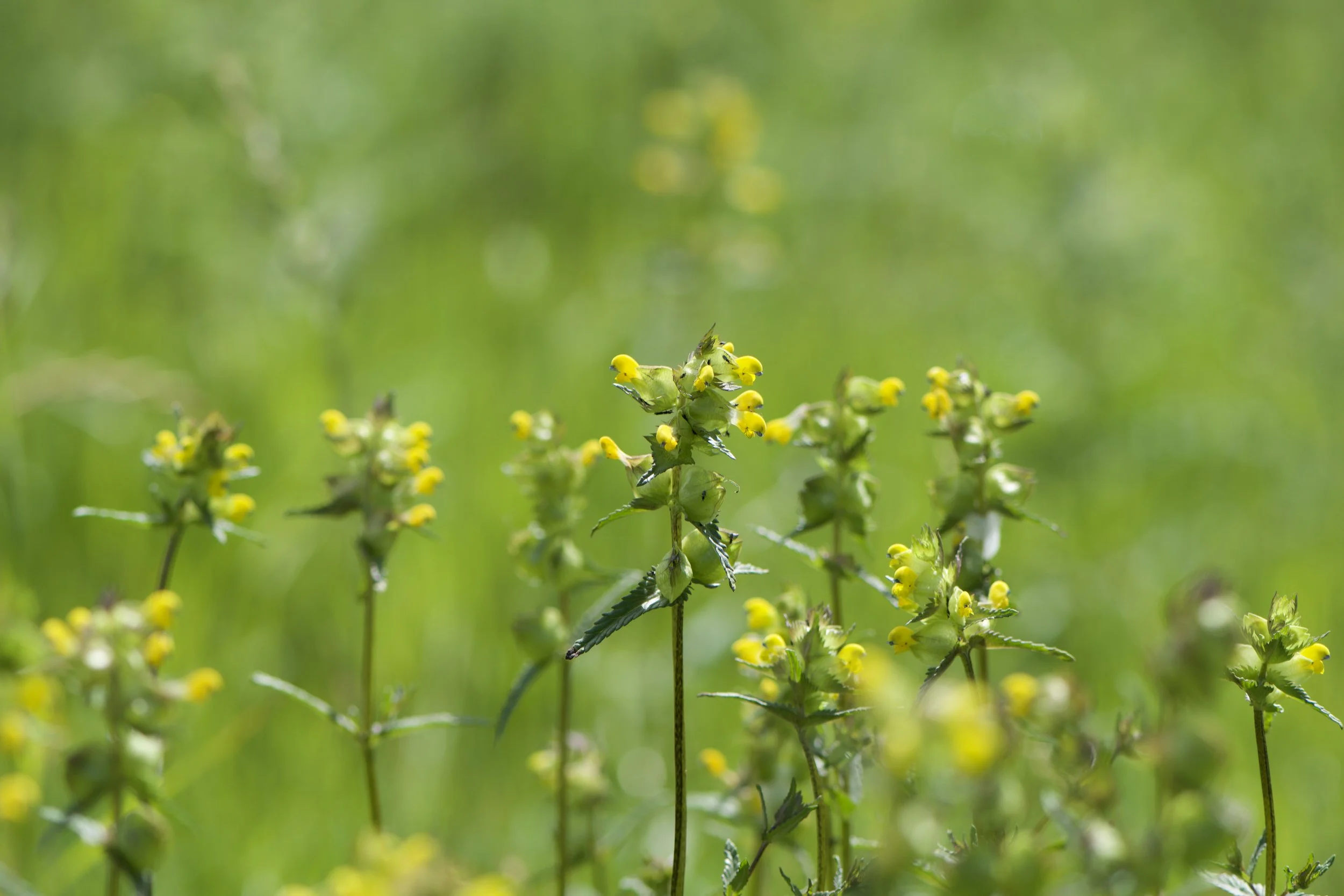
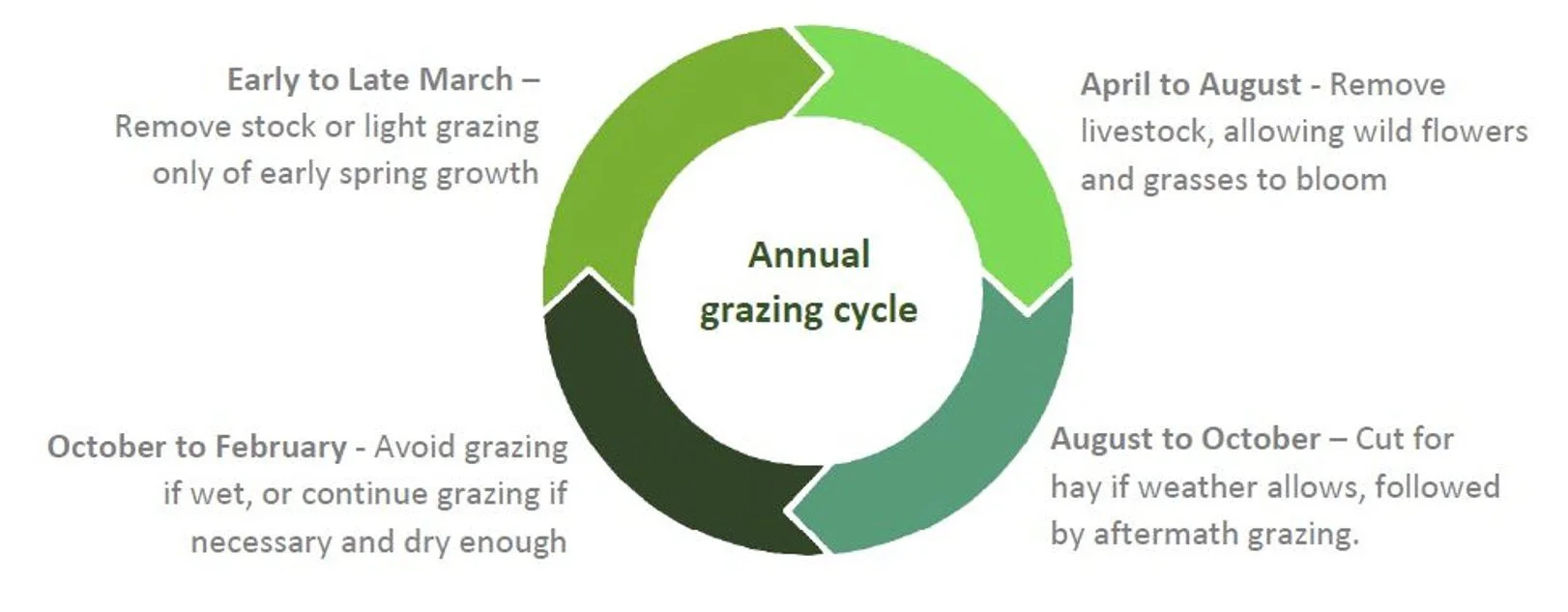
To restore a meadow and support wildlife, we always recommend removing livestock from around 1 April till the end of August. This gives any wildflowers in the sward the opportunity to bloom and set seed and gives you an opportunity to see which species are present.
It’s always good to record the species you see at the start of the restoration process. This allows you to monitor the impact of any management changes over time.
End of summer hay cut
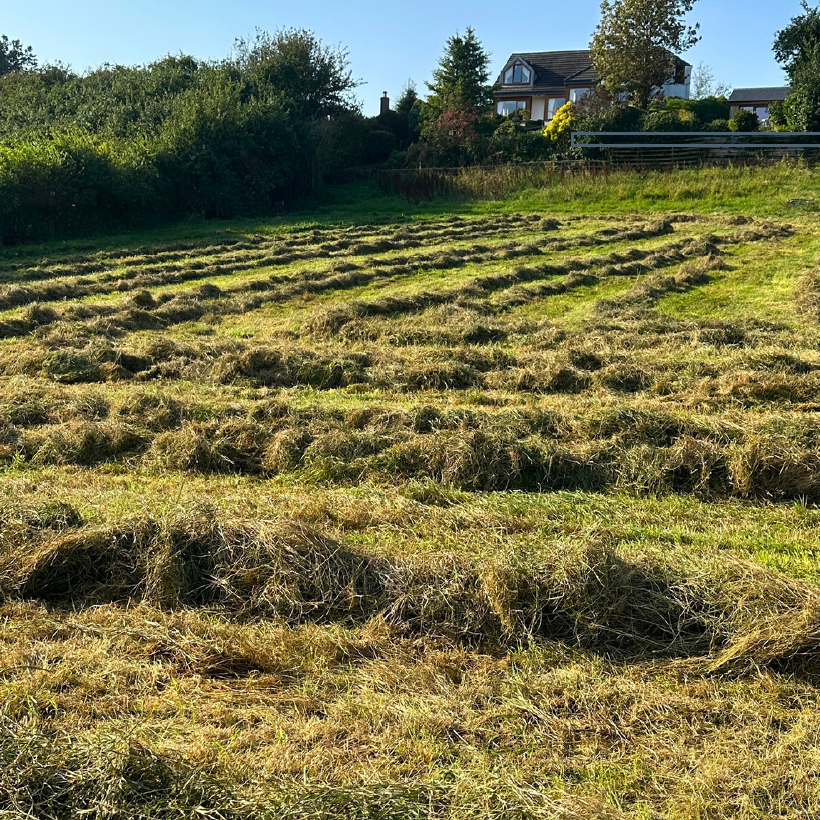
As the end of August approaches, you may wish to take a hay cut. This usually depends on whether you have access to the appropriate equipment or a neighbouring farmer who is willing to take the cut material away as bedding or fodder.
Removing the cut hay is essential to prevent a build up of dead thatch – a dense mat of dead and living organic material that can suppress wildflower growth – and to stop excess nutrients from returning to the soil (wildflowers prefer poor soils).
Pros and cons of hay cutting
One of the main benefits of cutting and removing is that it can help deplete soil nutrients quicker than grazing alone.
However, hay cutting also presents challenges, particularly removing and disposing of the cuttings if you have no use for the hay. Only proceed with hay cutting if there is a clear plan to remove the material and the weather is sunny enough to produce a good quality product that will be useful to others.
Benefits of grazing
Grazing is one of the easiest and most cost-effective ways to manage a meadow. Restoration can involve grazing alone or grazing after hay cutting – also known as aftermath grazing.
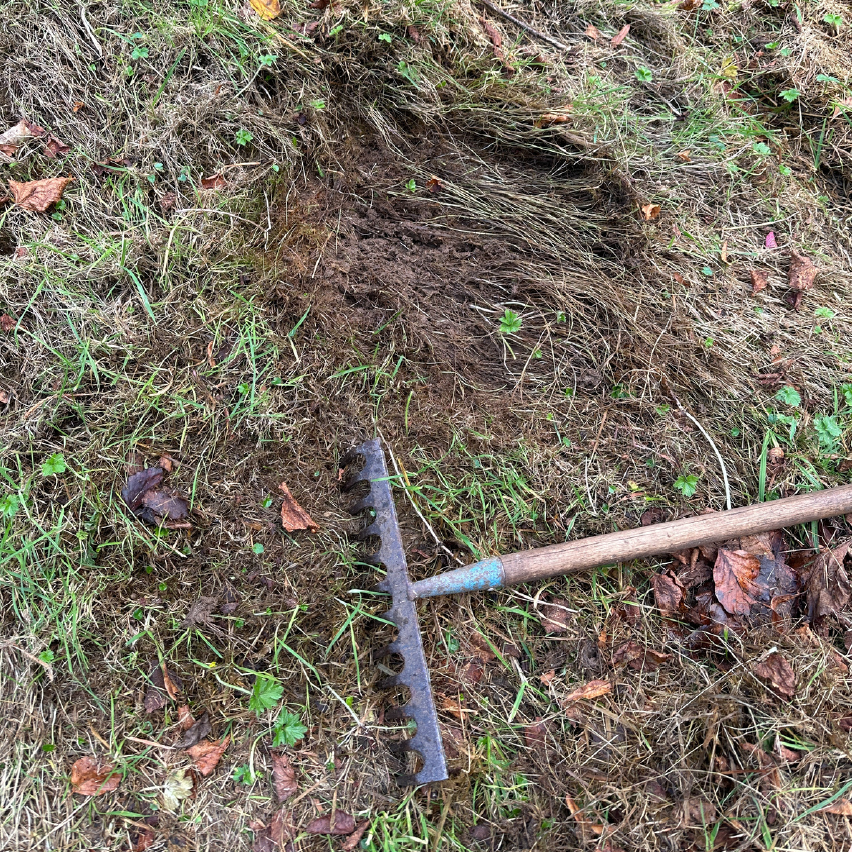
Introducing livestock to a meadow offers multiple benefits. The animals graze down the sward height and prevent it from creating a thatch. They also trample the ground, creating bare pockets of earth into which wildflowers can germinate.
Grazing involves making sure your field is stock proof or alternatively, using temporary electric fencing or NoFence cattle collars. You will also need to ensure stock always have access to fresh drinking water.
What animals to graze with
When considering grazing, you may be limited to the stock that you already own or stock that you can get access to from a neighbouring farmer. In this case, some grazing is always better than no grazing.
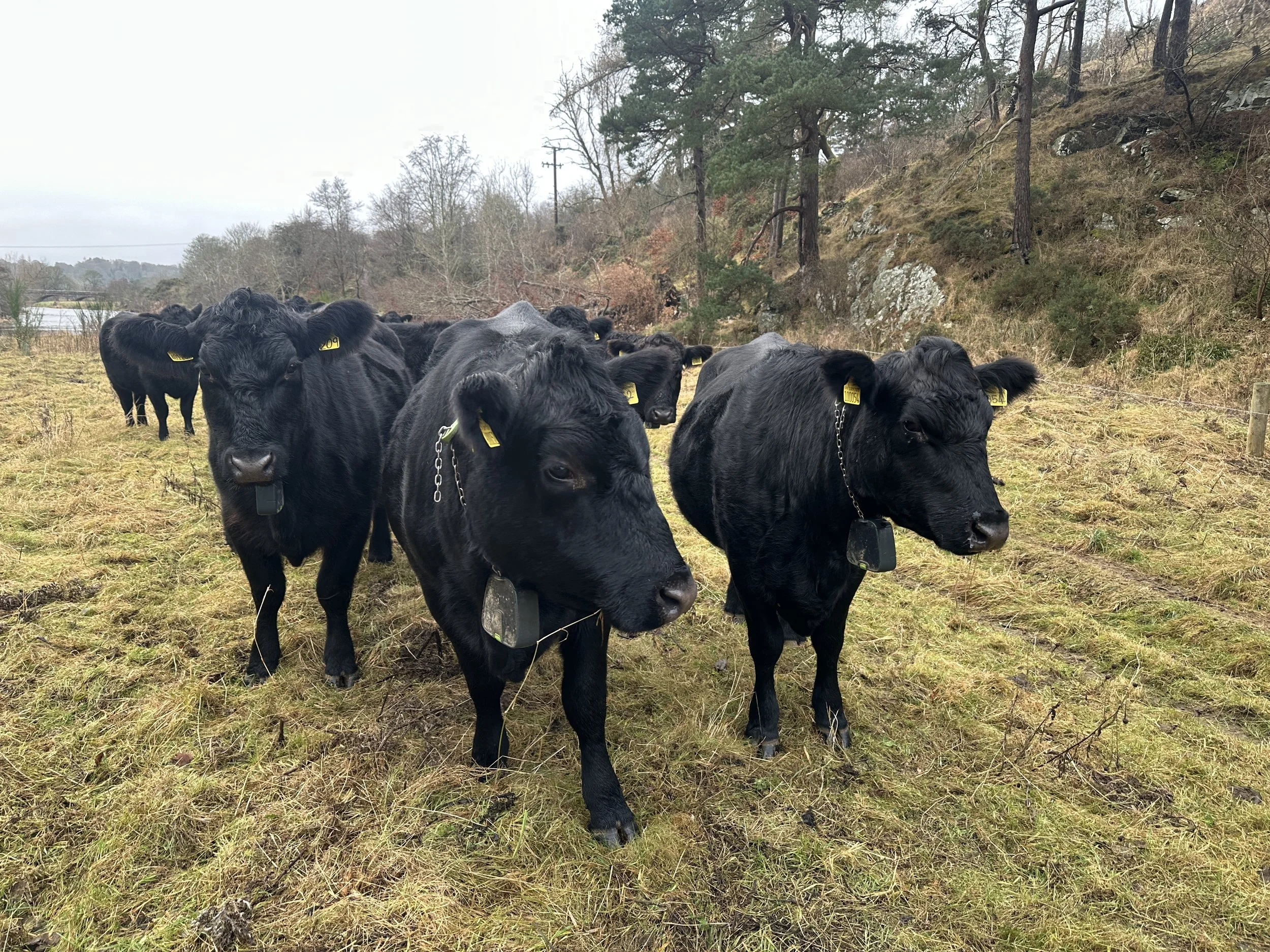
However, if you have a choice, opting for a heritage breed is always best. Heritage breeds are hardy and have been bred to stay outdoors during the cold winter months, which is exactly when you want to graze your meadow. They are also resilient and will eat rough grasses and sometimes gorse, which many commercial breeds would avoid.
Examples of native heritage breeds are Galloway or Highland Cattle, Herdwick Sheep and Exmoor Ponies.

Stocking rates
The stocking rate depend on the size of your field and how long you want the livestock to be there. Livestock can be on the field from September until the end of March, provided there is enough for them to eat and the ground is not becoming too poached (muddy).
If supplementary feeding is needed during very harsh weather, it's best to move the hay around each time to prevent excess nutrients and poaching on one area of the field. Similarly, you can place a salt lick or supplementary hay in under-grazed areas that you would like the livestock to concentrate on (Nofence cattle collars work well for this).
Benefits of grazing
Grazing is one of the easiest and most cost-effective ways to manage a meadow. Restoration can involve grazing alone or grazing after hay cutting – also known as aftermath grazing.
Introducing livestock to a meadow offers multiple benefits. The animals graze down the sward height and prevent it from creating a thatch. They also trample the ground, creating bare pockets of earth into which wildflowers can germinate.
Grazing involves making sure your field is stock proof or alternatively, using temporary electric fencing or NoFence cattle collars. You will also need to ensure stock always have access to fresh drinking water.
YEAR 2 ONWARDS
After studying your field for one grazing cycle and noting which wildflowers appear, you may wish to increase the diversity by adding additional species yourself. This can be achieved by hand scattering wildflower seed into areas of trampled bare ground, leaving the livestock on afterwards to further trample the seed into the soil.
We recommend an MG5 hay meadow mix containing added yellow rattle. Yellow rattle is a hemiparasite which leaches nutrients from grasses, reducing their vigour and allowing wildflowers to thrive.
By following this seasonal grazing cycle, the diversity of wildflowers in your field should increase over time.
Case study – Neidpath Castle, Peebles
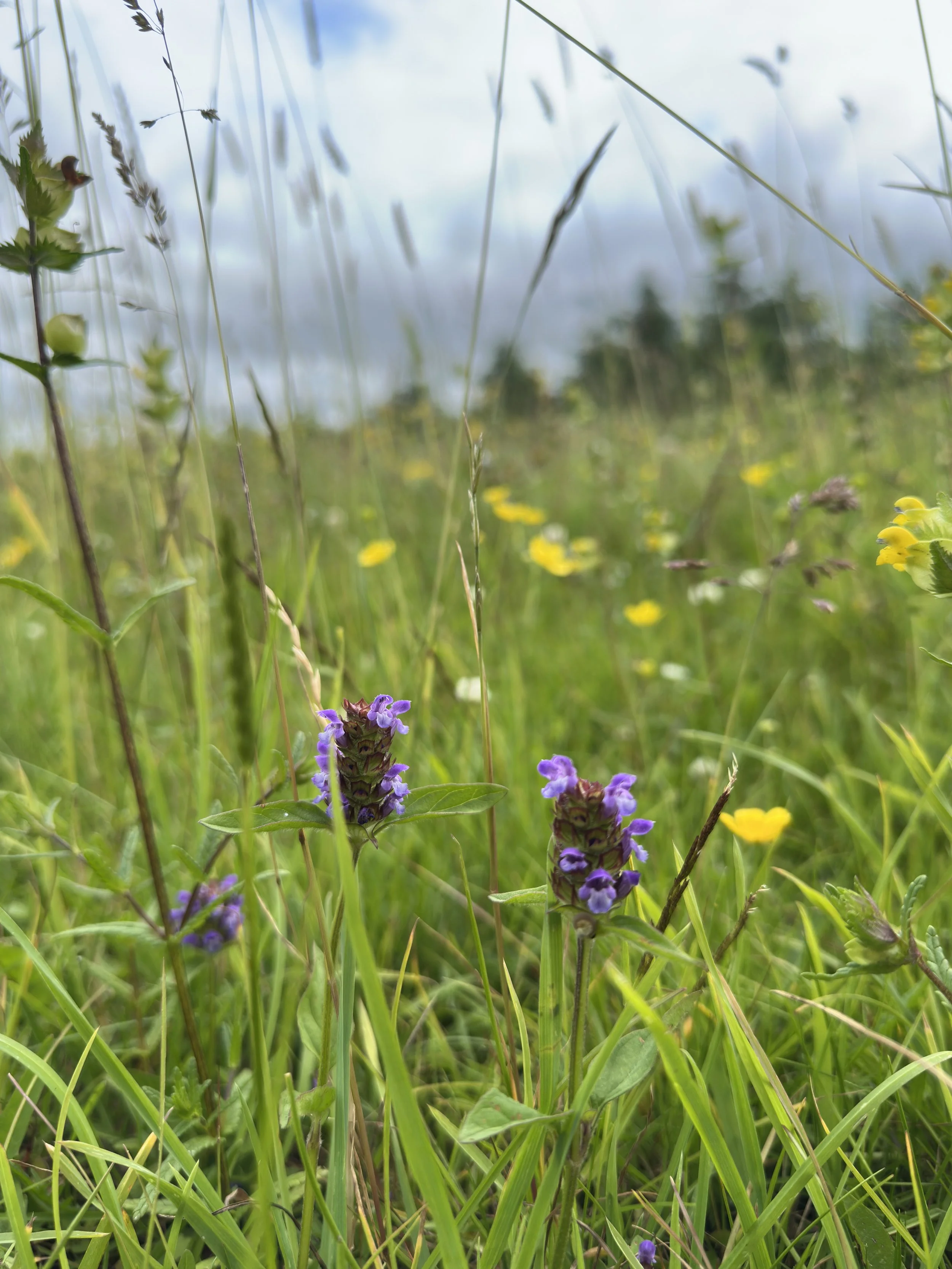
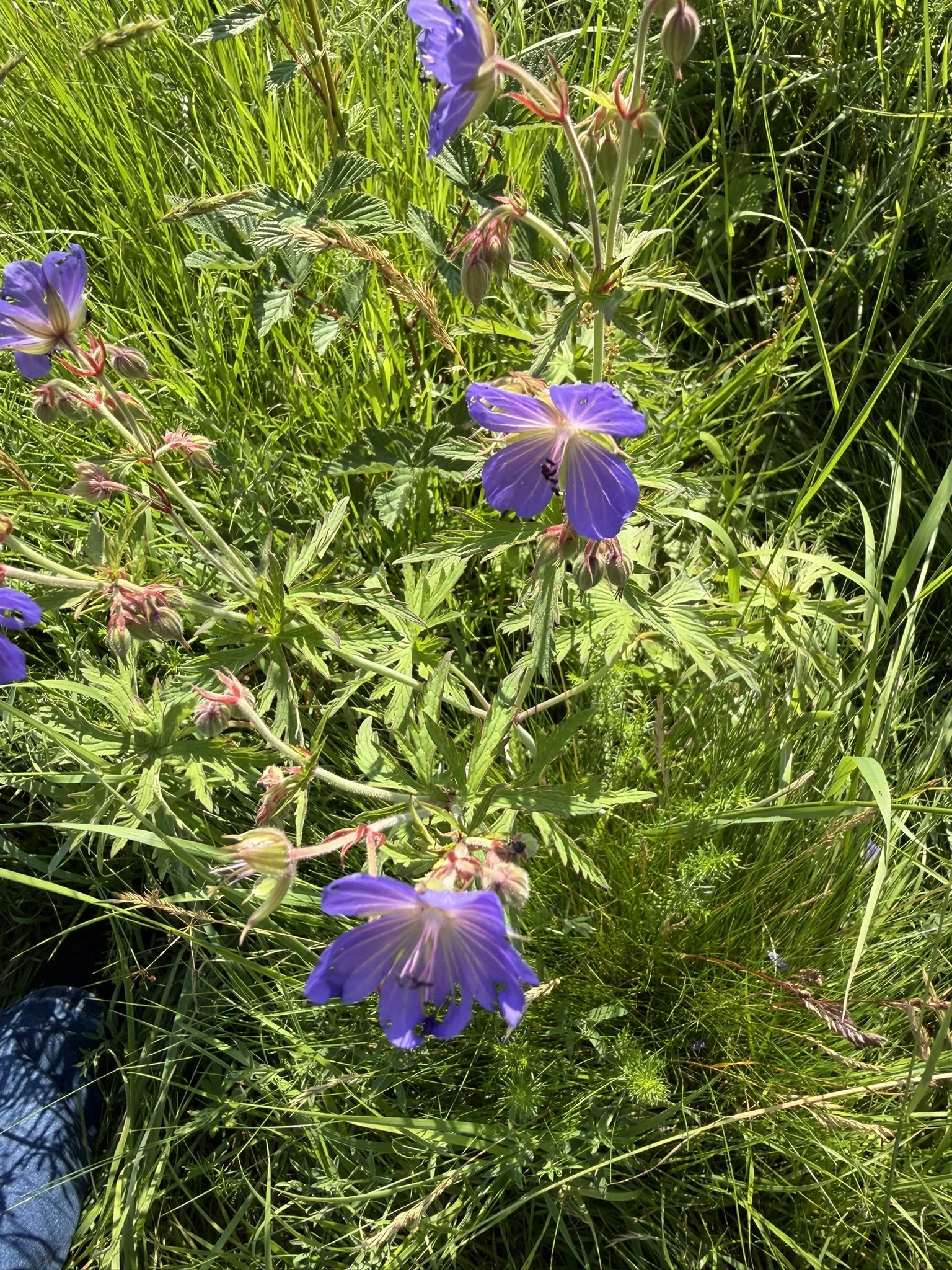
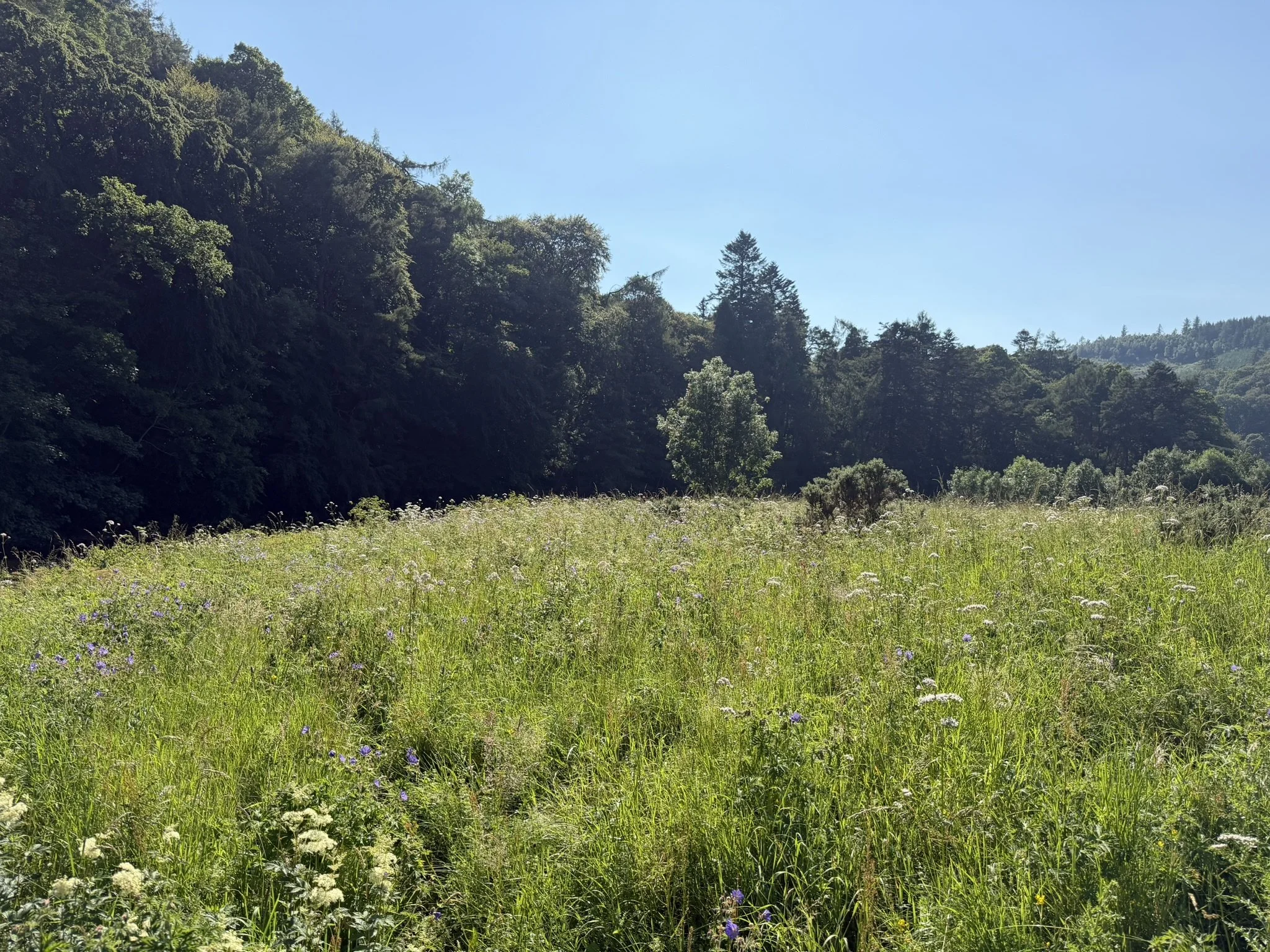
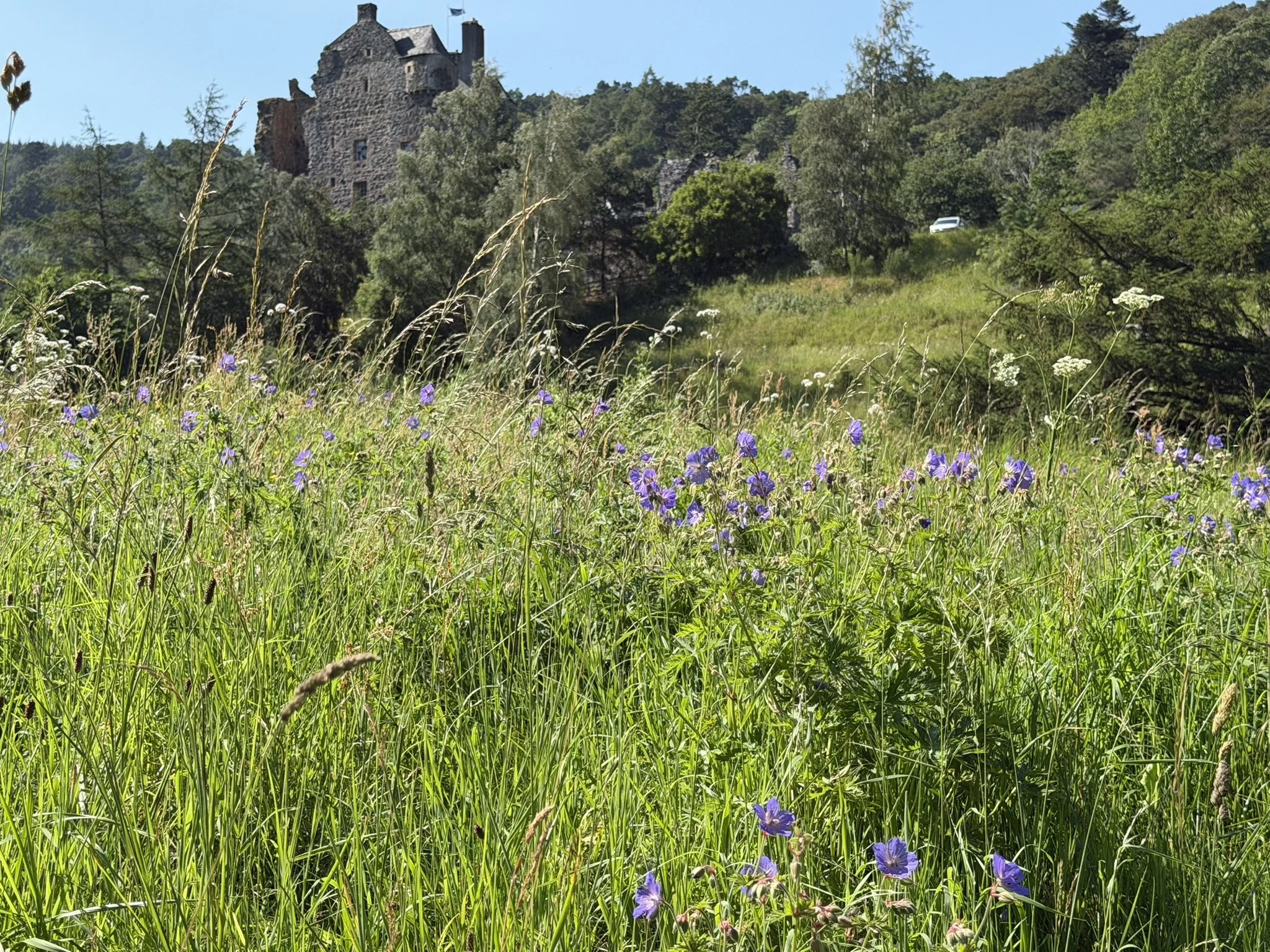
Following a seasonal grazing cycle has been particularly successful at our four meadow sites on the banks of the River Tweed at Neidpath Castle near Peebles. Borders Meadows Trust have been working with the landowner to reintroduce grazing to the floodplain meadows after more than 25 years.
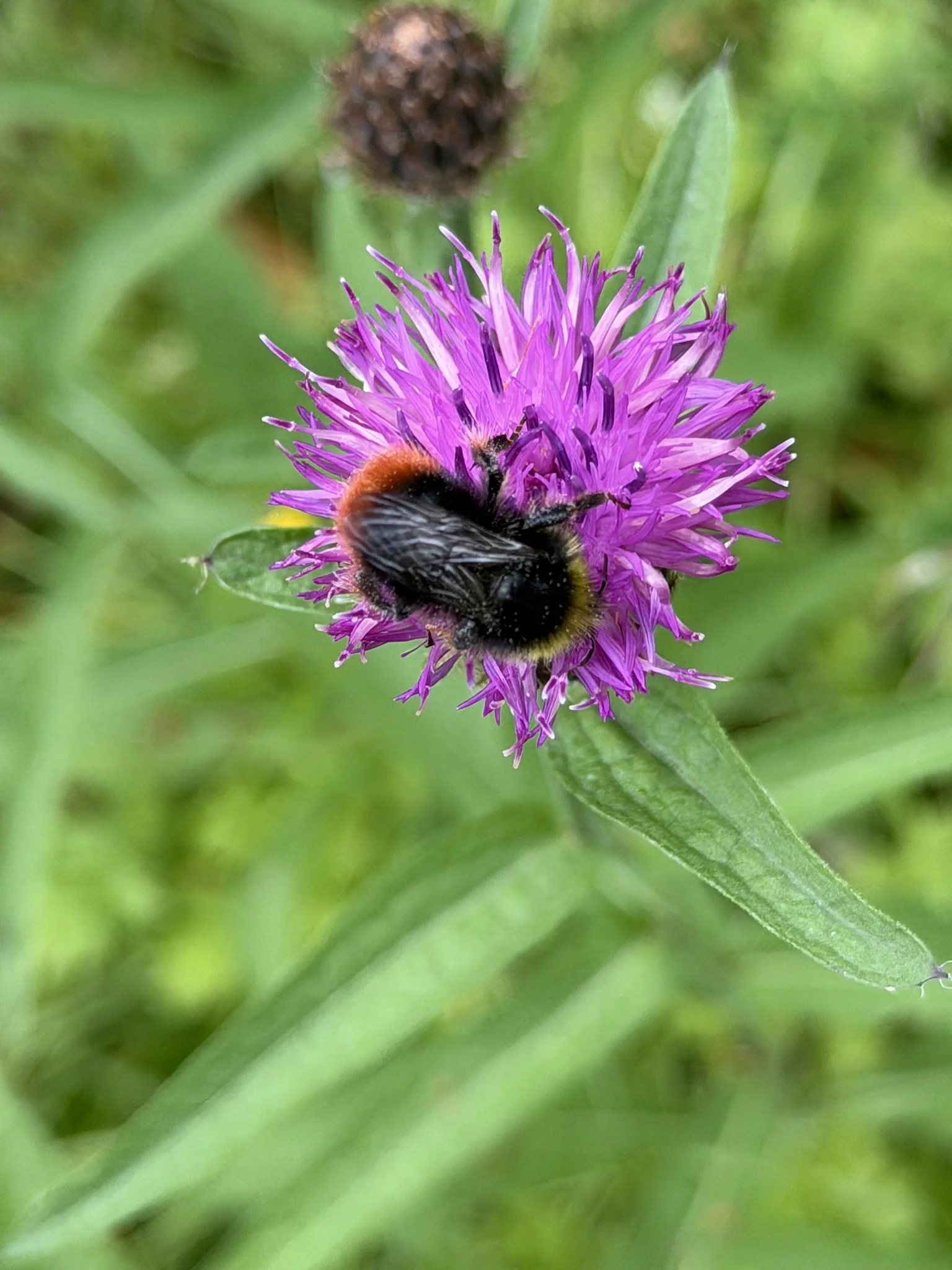
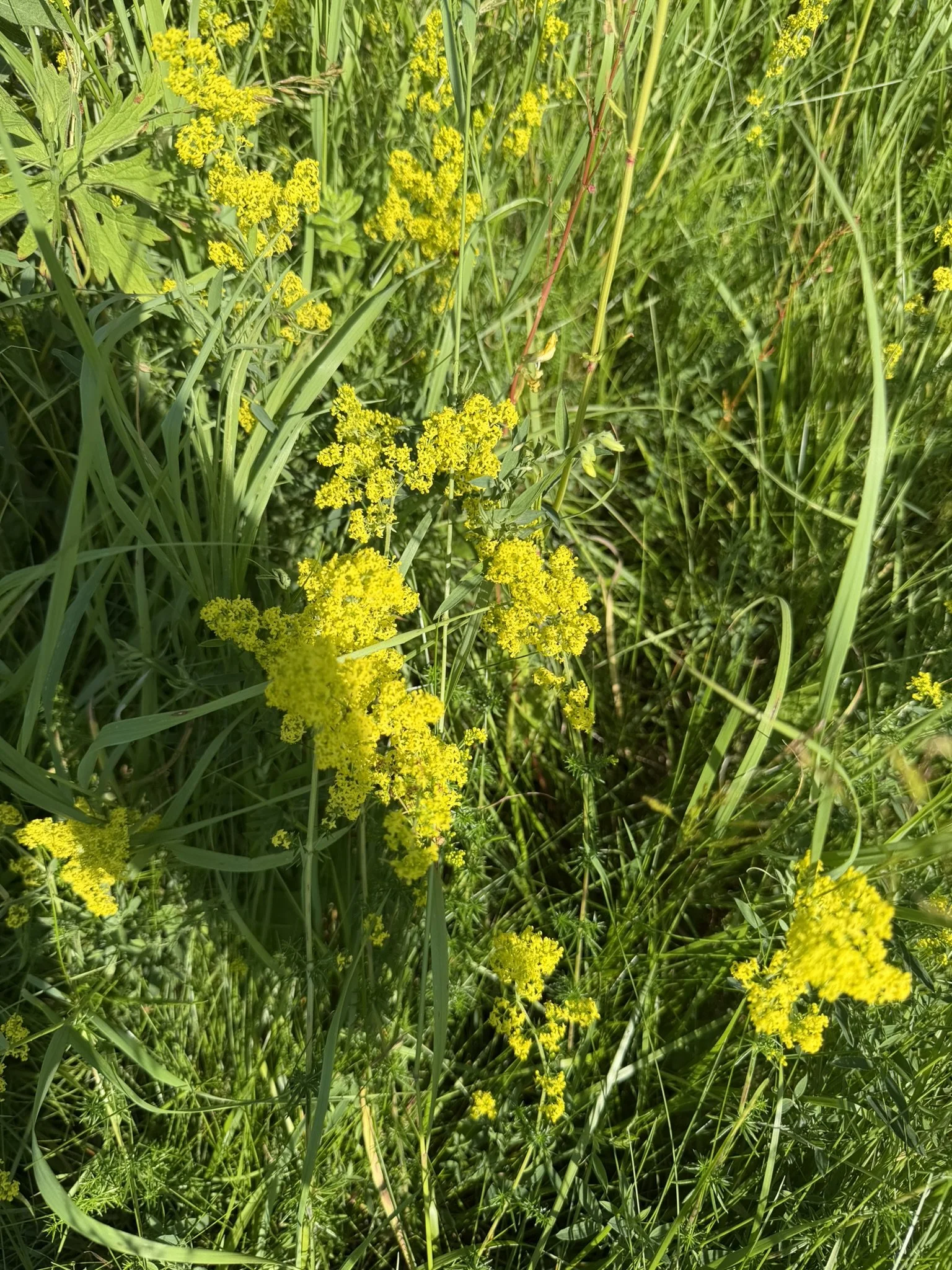
Neidpath has now been cattle grazed for three winters, and the transformation has been remarkable. Thanks to a very simple change in land management, wildflowers are now thriving along the Tweed, including:
Knapweed
Lady’s bedstraw
Meadow crane's-bill
Meadow sweet
Red clover
Stitchwort
Valerian
Yarrow
Yellow rattle
Yellow vetch
If you would like more information on using grazing to restore species-rich grassland, you may like to read about Butterfly Conservation’s Borderlands Project.
It covers the Scottish Borders and Dumfries and Galloway until 2030 and can sometimes supply eligible farmers with free NoFence cattle collars for conservation grazing purposes.

Photography © Apithanny Bourne 2026